






How to Thaw Salmon Safely and Quickly (Best Methods + Step-by-Step Guide)

If you’ve ever pulled frozen salmon from your freezer and wondered how to thaw it safely without ruining its texture, you’re not alone. Knowing how to properly thaw salmon is essential for food safety, flavor, and even cooking performance.
This guide explains the three safest ways to defrost salmon, how long each method takes, and which method is best depending on how much time you have.
Why Proper Salmon Thawing Matters
Thawing salmon the wrong way can negatively impact both food safety and quality.
Improper thawing can cause:
-
Bacterial growth from uneven temperature exposure
-
Mushy or dry texture after cooking
-
Loss of natural flavor and moisture
-
Uneven cooking results
Because salmon is a delicate, protein-rich fish, it should always be thawed using controlled, safe temperature methods.
Best Method: Thaw Salmon in the Refrigerator (Safest & Highest Quality)

The refrigerator method is the gold standard for thawing frozen salmon. It preserves texture, reduces moisture loss, and keeps fish in a safe temperature range.
How to thaw salmon in the fridge:
-
Remove salmon from the freezer
-
Keep it in its vacuum-sealed packaging or place it in an airtight container
-
Place it on a plate or tray (to catch condensation or liquid)
-
Set it on the lowest shelf of your refrigerator
-
Allow it to thaw slowly for 8 to 12 hours (or overnight)
How long does salmon take to thaw in the fridge?
-
Thin fillets: 8–10 hours
-
Thicker cuts: 12–24 hours
Why this method works best:
-
Maintains ideal texture and flavor
-
Keeps salmon below 40°F (4°C)
-
Prevents bacterial growth
-
Requires no active monitoring
After thawing:
Pat salmon dry with paper towels before cooking for best sear and texture.
Fast Method: How to Thaw Salmon in Cold Water (Quick & Safe)
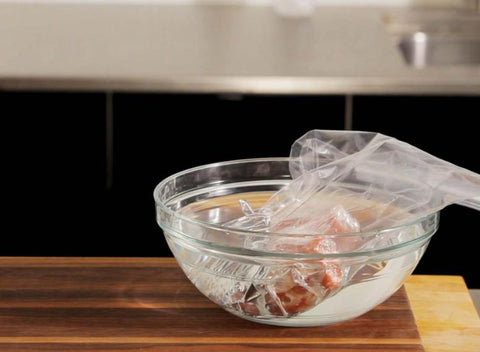
If you need salmon the same day, the cold water thawing method is the fastest safe option.
Steps to thaw salmon in water:
-
Remove salmon from packaging
-
Place it in a sealed, leak-proof plastic bag
-
Fill a large bowl with cold tap water
-
Submerge the sealed salmon completely
-
Change the water every 20–30 minutes to keep it cold
How long does it take to thaw salmon in cold water?
-
Small fillets: 30–45 minutes
-
Larger portions: 45–60 minutes
Important safety rules:
-
Never use warm or hot water
-
Do not leave salmon unsealed (prevents water absorption and texture damage)
-
Cook immediately after thawing
Can You Thaw Salmon at Room Temperature?
No. Thawing salmon on the counter is not safe.
At room temperature, the outer layer of salmon can enter the “danger zone” (40°F–140°F), where bacteria multiply quickly—even while the inside is still frozen.
Always avoid countertop thawing.
Can You Cook Salmon From Frozen?
Yes. Salmon can be cooked directly from frozen if needed.
Adjust cooking times:
-
Oven or air fryer: increase cook time by ~50%
-
Pan-searing: not recommended from frozen (uneven cooking risk)
Best cooking methods from frozen:
-
Baking
-
Air frying
-
Poaching
Comparison of Salmon Thawing Methods
|
Method |
Time Required |
Safety Level |
Best Use Case |
|
Refrigerator |
8–24 hours |
⭐⭐⭐⭐⭐ |
Best flavor & texture |
|
Cold water |
30–60 minutes |
⭐⭐⭐⭐ |
Fast safe thawing |
|
Room temperature |
Not safe |
❌ |
Avoid |
|
Microwave |
Not recommended |
⚠️ |
Only if cooking immediately |
Expert Tips for Thawing Salmon Properly
To get the best results every time:
-
Keep salmon sealed during thawing to prevent waterlogging
-
Always thaw in the fridge when planning ahead
-
Use cold water only for quick thawing
-
Pat dry before seasoning for better browning
-
Cook salmon shortly after thawing for maximum freshness
Frequently Asked Questions About Thawing Salmon
How long does salmon last after thawing in the fridge?
Thawed salmon should be cooked within 1–2 days for best quality and safety.
Is it safe to thaw salmon in hot water?
No. Hot water causes uneven thawing and increases the risk of bacterial growth.
Can I refreeze salmon after thawing?
Yes—but only if it was thawed in the refrigerator and has not been left out at room temperature.
What happens if salmon is not fully thawed before cooking?
It will still cook, but:
-
It may cook unevenly
-
Texture can become rubbery
-
Cooking time increases
Final Takeaway: What’s the Best Way to Thaw Salmon?
The best method depends on your schedule:
-
For best quality: thaw in the refrigerator overnight
-
For quick meals: use cold water thawing
-
Avoid: room temperature thawing
By following safe thawing methods, you’ll preserve salmon’s natural flavor, texture, and nutritional value every time.


Hop On Board
Sign up for free recipes, cooking tips and exclusive offers, delivered directly to your inbox.