






Whole30 Skillet Halibut with Peppers and Tomatoes
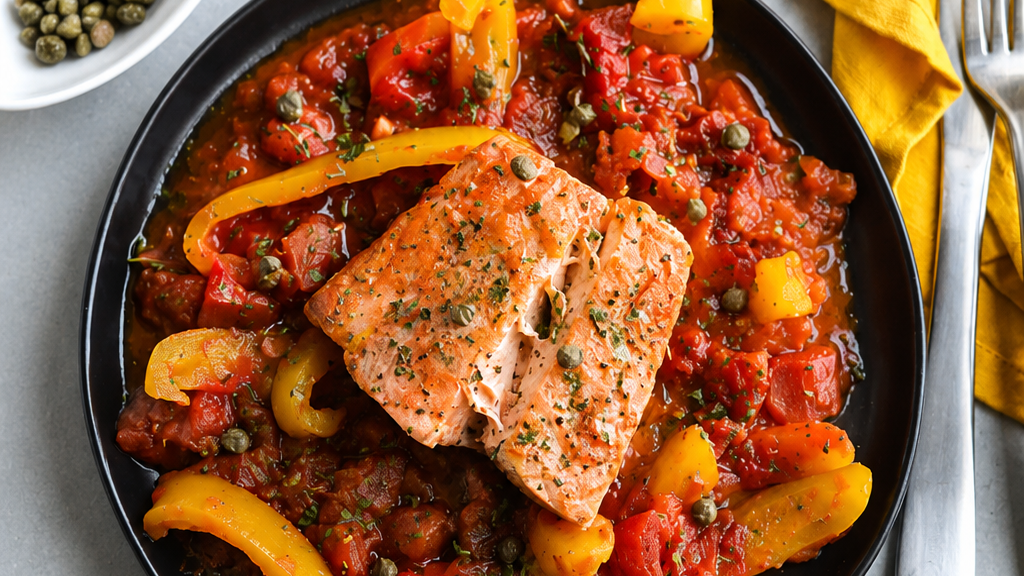
Whole30 Skillet Halibut with Peppers and Tomatoes
Sizzlefish Support
Rated 5.0 stars by 1 users
Category
Entree
Cuisine
American
Servings
2
Prep Time
20 minutes
Cook Time
10 minutes
Calories
360
Whole30 Skillet Halibut with Peppers and Tomatoes
This Whole30 skillet halibut with peppers and tomatoes is a light, delicious, and healthy meal that can be prepared in less than 30 minutes. It is an ideal recipe for those days when you crave something healthy and fulfilling without spending a ton of time in the kitchen.
Halibut is a mild-flavored, flaky fish with an incredibly wide range of uses, making it an ideal choice to be cooked with various vegetables such as bell peppers, tomatoes, and garlic. This combination of ingredients produces a delicious, colorful, and elegant meal without having to use complex cooking techniques or unusual ingredients.
This recipe is an excellent choice for weeknights when you want something wholesome and balanced. It is prepared in a single pan, which means less cleanup and more time to enjoy your meal. It is also gluten-free, dairy-free, and paleo-friendly, making it suitable for a variety of dietary needs.
Why is Halibut a Great Seafood Option?
Halibut is a lean, firm white fish that cooks fast, absorbs flavor well, and tastes delicious. Because of the mild flavor of halibut, it can be paired with strong-tasting ingredients such as garlic, herbs, and acidic ingredients such as tomatoes or lemon without overpowering them.
One of the most notable things about halibut is that it has a thick, meaty texture, which is unlike other white fish. This means that it cooks well in a skillet, as it will not fall apart on you when simmered with other ingredients.
Cooking halibut in a skillet allows it to cook in the juices of the other ingredients, which keeps it moist and tender. The peppers add a touch of sweetness, and the tomatoes make a light sauce to complement the natural flavor of the halibut.
Halibut is also a nutritious source of protein, which can be beneficial to those who wish to maintain a healthy lifestyle. It contains omega-3 fatty acids, vitamins, and minerals, making it an excellent source of nutrition.
Why This Halibut Recipe Works
The combination of sautéed peppers, garlic, and tomatoes creates a rich and savory dish that pairs well with the delicate texture of the halibut. As these ingredients cook, they release juices that act as a light sauce without adding sugars or other heavy ingredients.
Cooking the halibut in the skillet with the vegetables ensures it stays tender and flaky. This is also an excellent way to allow the fish to absorb all the flavors in the pan, which can also help it stay moist and prevent it from drying out.
Another reason why this recipe is so effective is its simplicity. All of the ingredients are used in such a way that nothing overpowers anything else. Garlic is used for its depth of flavor, tomatoes for their acidity, and peppers for their sweetness.
The addition of herbs and other seasonings is also an excellent way to add to the dish without detracting from the natural flavor of the halibut. It is an excellent way to make a restaurant-quality dish without much effort, even if you’re not familiar with cooking seafood.
Try This Recipe with Sizzlefish Halibut
The halibut should be firm, fresh, and thick-cut to guarantee even cooking and the best texture possible. Selecting high-quality fish can make a huge difference, particularly in dishes such as this, where the ingredients are simple, and the fish is the main event.
At Sizzlefish, Wild Alaskan Halibut is flash frozen shortly after harvesting. This technique assists in maintaining the freshness, taste, and nutritional content of the fish, allowing you to enjoy premium seafood at home at any time.
Each portion is carefully prepared and individually sealed, making it convenient and reliable for cooking. The quality of the halibut enables the natural taste of the fish to shine through. With fresh vegetables and uncomplicated seasonings, it produces a clean, well-balanced taste that feels both healthy and fulfilling.
What you will need for this recipe
Halibut:
- Wild-caught and thick-cut fillets are the way to go. The thicker the fillet, the less likely it is to overcook and remain flaky and tender.
Bell Peppers:
- Adding these provides sweetness and crunch. The mix of red, yellow, and orange peppers works best for the most visually appealing and flavorful dish.
Cherry Tomatoes:
- These burst open during cooking and provide a natural sauce that helps add brightness and acidity to the dish.
Garlic:
- This is an important component that helps build the overall savory taste of the recipe.
Onion:
- This provides a touch of sweetness and helps build the overall taste when sautéed with the peppers.
Olive Oil or Avocado Oil:
- This is used for sautéing, and both are great options for maintaining a clean, Whole30-friendly dish.
Italian Seasoning:
- This provides the blend of herbs that adds depth without having to add multiple herbs individually.
Fresh Herbs (Parsley or Basil):
- Helps add a fresh, vibrant finish that brightens the entire dish just before serving.
To Defrost Halibut
If you plan on using frozen halibut on the same day, put the frozen halibut in cold water, making sure that it is covered. Let it stay in cold water for 30-60 minutes until it is fully thawed. This is a fast method that is effective in maintaining the texture of the halibut.
If planning ahead, transfer the halibut to the refrigerator and let it thaw overnight in a covered container. Let it stay in cold water overnight in the refrigerator. This method is effective in maintaining the quality of your halibut. Avoid defrosting halibut in warm or hot water, as this can affect both texture and safety.
Tips
- Pat the halibut dry before cooking to ensure it cooks evenly and does not have too much moisture
- Make sure not to overcook it; it should be opaque in the middle and flake easily
- Allow the vegetables to cook down first to create a flavorful foundation for the recipe
- Use a large skillet to prevent overcrowding, which will ensure that everything cooks evenly
- Covering the pan will ensure that the fish is moist during cooking
How to Store
Refrigerate leftover halibut and vegetables in an airtight container for 2 days. Because seafood is delicate, it is recommended to consume seafood fresh. However, it can still be delicious if stored appropriately.
When reheating, it is recommended to use a skillet over low heat. This will prevent the fish from drying out. A splash of water can be added to assist in restoring moisture.
It is recommended not to reheat in the microwave. This may cause the fish to dry out or have a rubbery texture. Slow reheating will help maintain its texture and flavor.
Ingredients
-
2 packages of halibut, thawed with skin removed
-
1 tbsp. extra virgin olive oil
-
14 oz. diced tomatoes and juices, Whole30 compliant
-
1 yellow bell pepper, sliced
-
3 garlic cloves, minced
-
1 shallot, minced
-
1 tbsp. parsley
-
2 tbsp. capers
-
salt and pepper to taste
Directions
In a large skillet, add the extra virgin olive oil, shallots, sliced bell pepper, and minced garlic, and bring to a medium heat. Stir until veggies are tender, 4-5 minutes.
Add the tomatoes with juices, then make two wells in the juice. Add the halibut to the wells and sprinkle with salt, pepper, and parsley.
Cover and cook 5 minutes until tomatoes are bubbling and halibut is flaky.
Remove from the heat, sprinkle capers over the halibut, and serve.
Recipe Note
For an extra burst of flavor, finish the dish with a squeeze of fresh lemon juice or a sprinkle of additional herbs right before serving. This helps brighten the dish and enhances the natural flavor of the halibut.
Nutrition
Nutrition
- Serving Size
- 1
- per serving
- Calories
- 360
- Protein
- 38 grams
- Fat
- 18 grams
- Carbs
- 14 grams
- Fiber
- 4 grams
- Sugar
- 7 grams
