






Ginger Soy Sablefish over Ramen Noodles
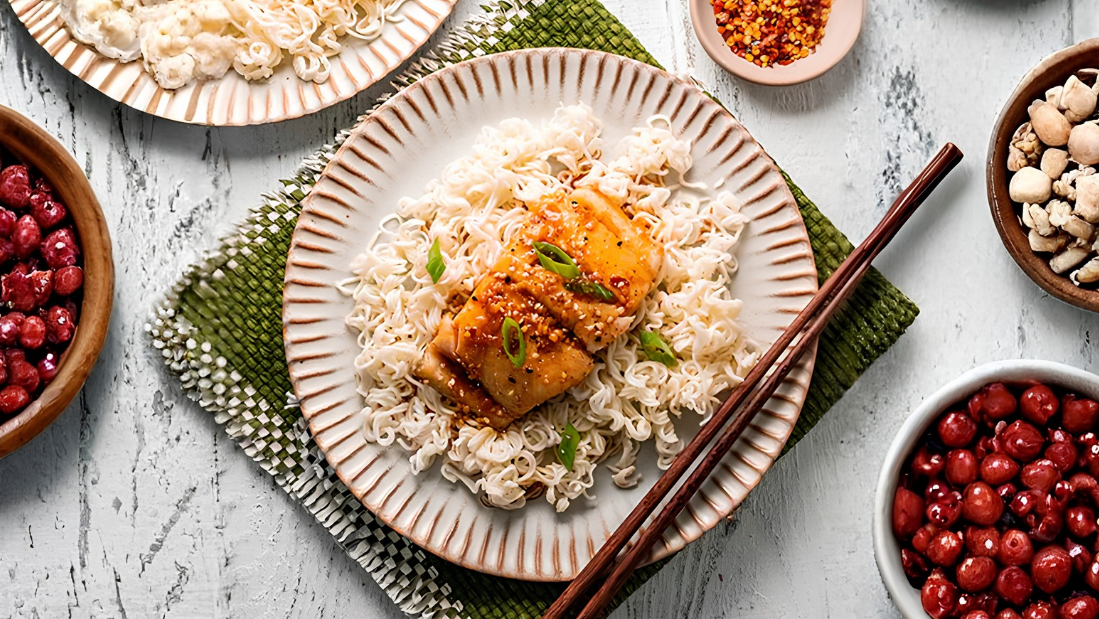
Ginger Soy Sablefish over Ramen Noodles
Sizzlefish Support
Rated 3.2 stars by 10 users
Category
Sablefish Recipes
Cuisine
Asian
Servings
4
Prep Time
10 minutes
Cook Time
12 minutes
Calories
380
Ginger Soy Sablefish Over Ramen Noodles
This is a delicious and comforting dish of Ginger Soy Sablefish served on top of Ramen Noodles. This is a dish fit for a fine dining experience, but it's easy enough to make at home. Sablefish, or black cod as it is sometimes called, is a rich and buttery fish that is marinated in a savory ginger soy sauce and then cooked to flaky perfection. Served on top of ramen noodles and fresh vegetables with extra ginger soy sauce for dipping, this is a dish that has all of the right notes of savory, sweet, and tangy.
Sablefish is known for its silky texture and is rich in natural oils, making it a moist and easy fish to cook. The ginger and soy complement the richness of the fish, while the noodles and vegetables balance the meal to become a satisfying bowl that works for weeknight dinners or special occasions alike.
Why This Ginger Soy Sablefish Recipe Works
This recipe works because it develops flavors without overpowering the texture of the sablefish. The soy sauce has a strong umami taste, the fresh ginger adds a nice zing, and the sweetness offsets the saltiness. All of this combines to make a sauce that complements the fish without overpowering it.
Sablefish is a fatty fish, which makes it tender even when cooked at high temperatures, such as broiling or pan-searing. The fatty taste of the fish complements the ramen noodles, which act as a sponge, absorbing the extra sauce and carrying the flavor in the dish. Cooking the noodles first and then serving them ensures that all the textures in the dish are preserved.
Try This Recipe with Sizzlefish Sablefish (Black Cod)
Sablefish is a great choice for ginger soy dishes, as this simple preparation allows its natural richness and silky texture to stand out. The best sablefish should have a rich, even marbling and a firm yet silky texture, ensuring that it will cook evenly and retain moisture. When cooked over a moderate heat, sablefish is buttery and tender, with large, delicate flakes and a luxurious texture that complements savory and umami flavors well.
The richness of sablefish means that its bold yet balanced flavors, such as fresh ginger, soy sauce, and garlic, and a hint of sweetness, are a great complement. The fatty content of sablefish allows it to be an exceptionally moist fish when cooking, making it a great choice for a number of dishes and ensuring that it will turn out well even in a simple preparation.
At Sizzlefish, Sablefish portions are carefully sourced, expertly trimmed, and individually vacuum-sealed to ensure the highest level of freshness and quality. Having access to such high-quality sablefish makes it easy to prepare refined and flavorful dishes with confidence.
Ginger Soy Sablefish Over Ramen Nutrition Highlights
Sablefish is renowned for its high omega-3 fatty acid content, which is beneficial for the heart and brain. It is also a rich source of protein, vitamin D, and selenium. Sablefish has a higher fat content compared to other lean white fish, which is why it is so prized for its luxurious texture and nutritional value.
The high-fat content in sablefish makes it very satisfying and pairs well with fresh veggies and whole-grain noodles for a more balanced meal.
Ginger Soy Sablefish Over Ramen Serving Suggestions
The ginger soy sablefish bowl is easily customizable. It can be kept simple with noodles and greens or can be elevated to an elaborate dish with colorful ingredients.
Ginger Soy Sablefish Over Ramen can be served with:
- Steamed edamame
- Pickled cucumbers or radishes
- Soft-boiled eggs
- Chili crisp or sriracha sauce
- Light cabbage slaw
Sablefish can also be served with cauliflower rice or shredded cabbage instead of ramen for a lower-carb version.
Storing and Reheating Ginger Soy Sablefish Over Ramen
Storing
- Let the fish cool completely before storing.
- Refrigerate in an airtight container up to 2 to 3 days.
- If possible, store the noodles separately to retain their texture.
Reheating
- Oven: Reheat at 275°F for 8 to 10 minutes until warmed through.
- Stovetop: Heat gently in a covered skillet over low heat.
- Try to avoid using the microwave as it will dry the fish.
FAQs for Ginger Soy Sablefish Over Ramen
Q: What is sablefish?
A: Sablefish is also called black cod. It's a deep-water fish from the Pacific known for its rich, buttery texture and substantial omega-3 content.
Q: Can I grill sablefish instead?
A: Yes, but use a well-oiled grill or grill pan. Because of the texture of sablefish, grilling on foil or a cedar plank is recommended.
Q: What internal temperature should sablefish be cooked to?
A: Cook the sablefish to 145°F in the thickest part and flakes easily with a fork.
Q: Can I marinate it longer?
A: Marinating should be done for 30 to 45 minutes only. Marinating longer than that makes the fish too salty.
Common Mistakes to Avoid for Ginger Soy Sablefish Over Ramen
1. Skipping the marinating time
Not marinating the sablefish long enough will prevent the flavors of ginger and soy from developing well. The marinating process will definitely have an impact on the final taste of the sablefish, so do not rush this process.
2. Using high heat to cook the fish
Sablefish is rich and delicate in nature. If the fish is cooked at too high a heat, the fish might burn on the outside before it is well-cooked on the inside.
3. Overcooking the sablefish
Since sablefish is naturally fatty, it will cook quickly. It's recommended that it be removed from the heat source as soon as it flakes easily and appears opaque.
4. Not reducing the sauce properly
The ginger and soy sauce need time to simmer and concentrate. Failure to do this will lead to a thin and underdeveloped sauce.
5. Adding salt before tasting
The soy sauce already has a significant amount of saltiness. It's recommended to taste the sauce before adding any extra salt to avoid over-seasoning.
6. Not patting the fish dry before cooking
This step is crucial since it prevents the fish from browning properly. Pat the sablefish dry before searing it to get that nice caramelization on the fish.
7. Overcooking the ramen noodles
Ramen can easily get mushy if it is not cooked just right. Cooked until it is al dente in order to maintain its structure when it is mixed with the sauce and the fish.
Ingredients
-
4 portions Sizzlefish Sablefish, thawed
-
2 tbsp avocado oil
-
1/4 tsp salt
-
1/4 tsp black pepper
-
8 oz. Ramen noodles
-
2 tsp sesame seeds, for topping
-
2 tbsp chopped green onion, for topping
-
1 tbsp unsalted butter
-
1 tbsp grated ginger
-
1 tsp minced garlic
-
1/4 cup less sodium soy sauce
-
2 tbsp rice vinegar
-
1 tbsp honey
-
1 tsp sesame oil
-
1/4 tsp red pepper flakes (optional)
For Ginger Soy Sauce
Directions
Begin cooking ramen noodles according to package directions. Cover to keep warm.
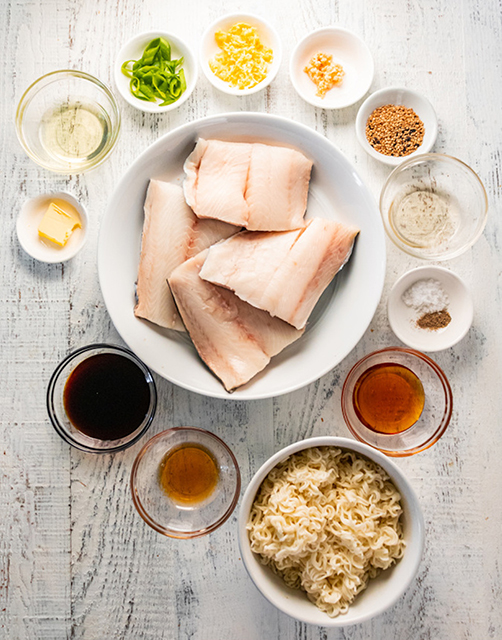
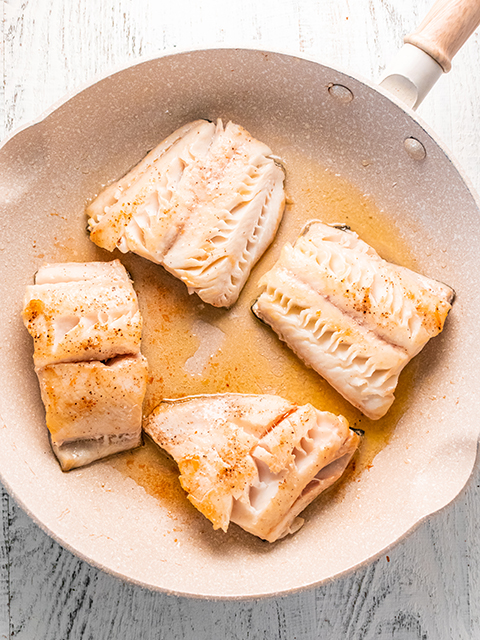
While noodles cook, heat avocado oil in a large skillet over medium heat for 2 minutes. Blot excess moisture from fish using paper towel and season with salt and pepper. Place fish on hot pan flesh side down and sear for 3-4 minutes.
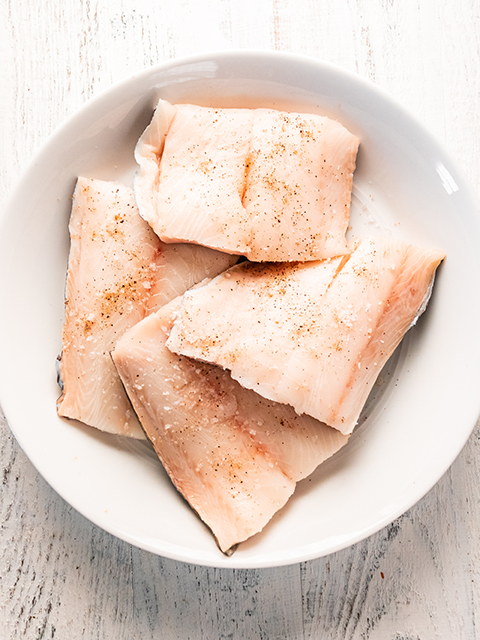
Flip and cook 3-4 minutes longer. Set fish aside on a plate.
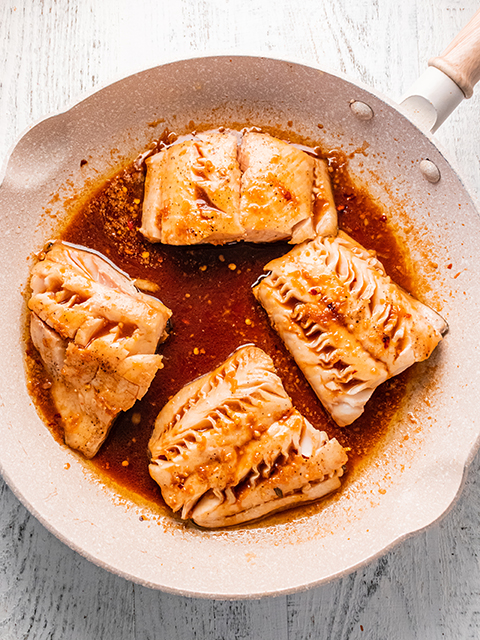
Reduce heat to low. Melt butter on skillet. Add garlic and ginger. Sauté for 1 minute. Add soy sauce, rice vinegar, red pepper flakes and honey. Stir to combine and bring to a simmer. Add fish back to skillet and baste with sauce. Cook for 1 minute longer.
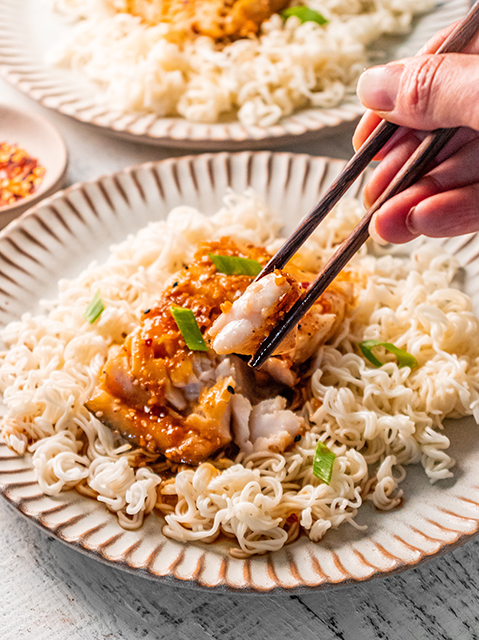
Serve sablefish over ramen noodles drizzled with sauce and topped with sesame seeds and green onion.
Recipe Note
If you have any leftover sablefish, it works well when flaked and served cold over salads!
Nutrition
Nutrition
- Serving Size
- 1 Serving
- per serving
- Calories
- 380
- Carbs
- 53 grams
- 57%
- Fat
- 14 grams
- 34%
- Protein
- 9 grams
- 10%

Leave a comment