






Coconut Lime Poached Halibut
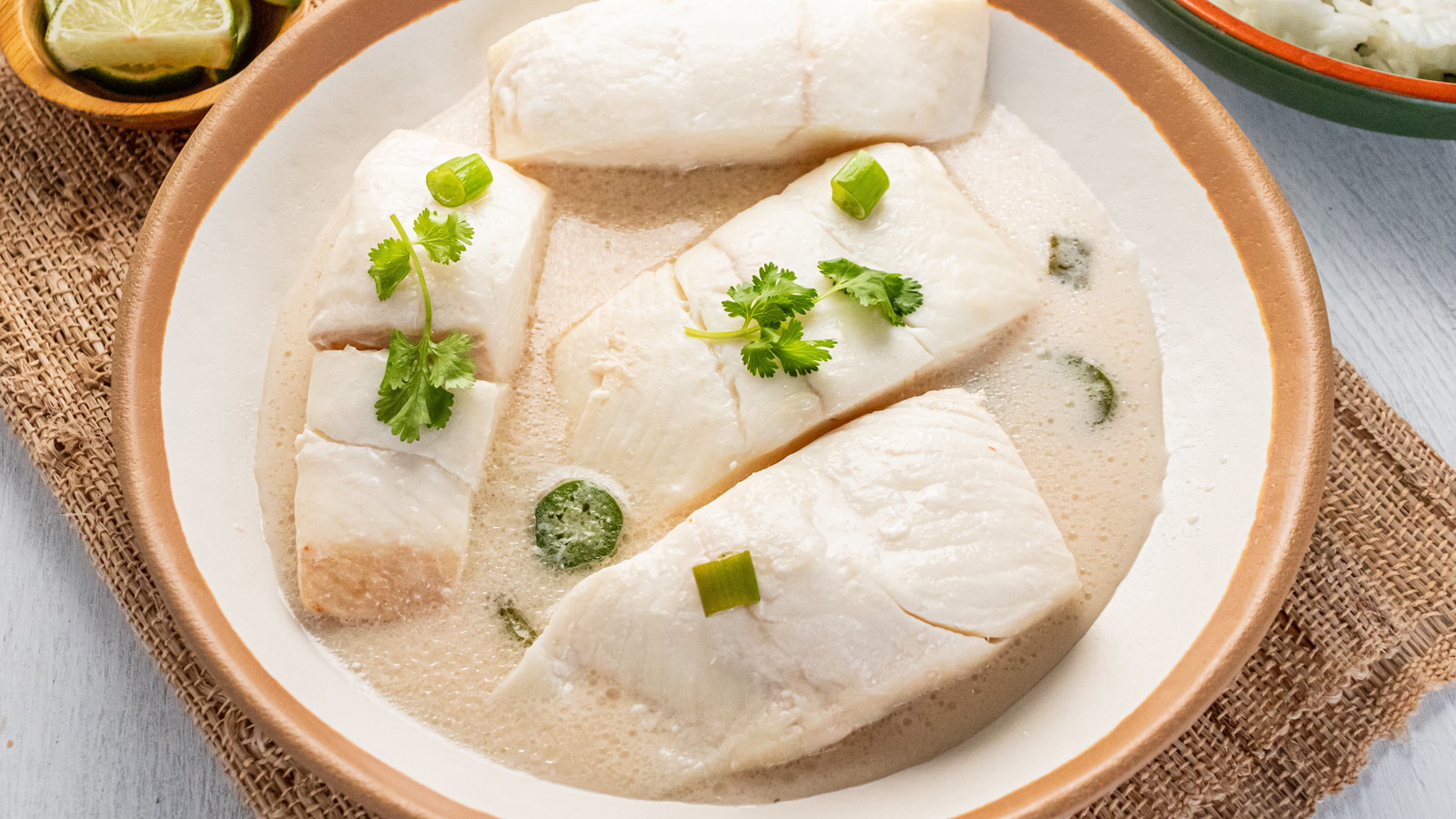
Coconut Lime Poached Halibut
Sizzlefish
Rated 4.4 stars by 9 users
Category
Halibut Recipes
Cuisine
Modern American
Servings
4
Prep Time
10 minutes
Cook Time
14 minutes
Calories
230
Coconut Lime Poached Halibut
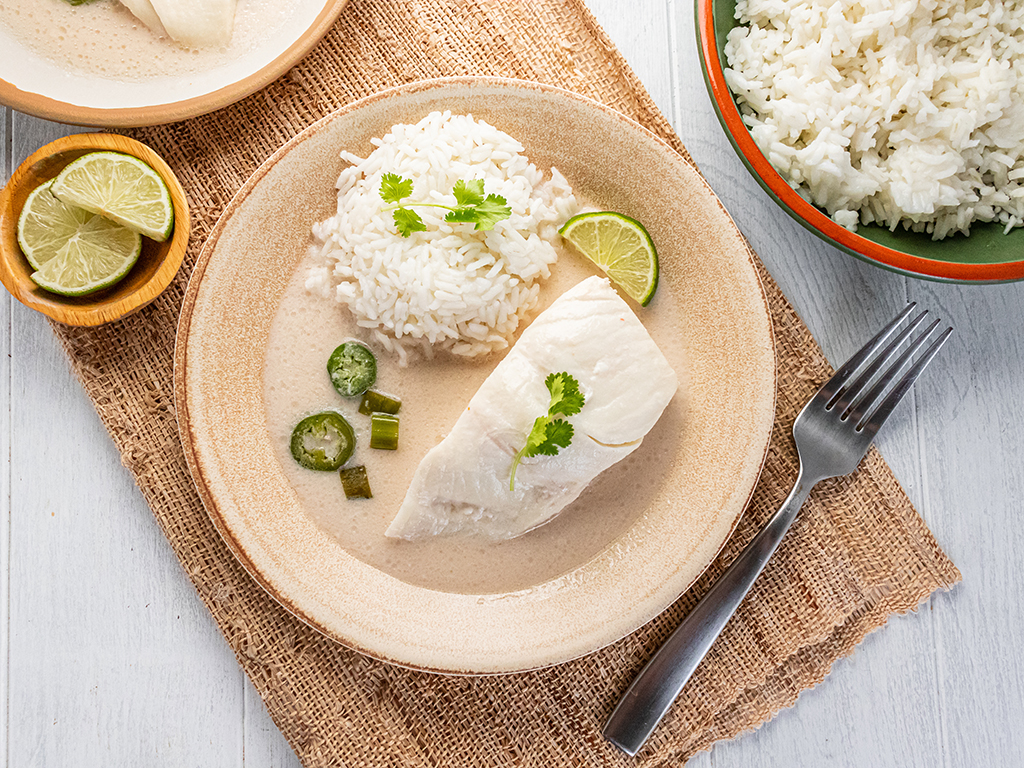
This Coconut Lime Poached Halibut is a refreshing and flavorful seafood recipe that has a sophisticated feel to it, but is actually quite easy to make. The halibut fillets are poached in a fragrant coconut milk broth that is flavored with lime juice, garlic, and ginger. This results in a moist and flaky fish paired with a creamy and citrusy sauce.
Poaching is actually one of the best ways to cook halibut. Halibut is a naturally lean fish, which means that it can easily become dry and tough if it is cooked using high heat. However, poaching the halibut in a flavorful liquid helps to keep it moist and tender. The coconut milk in this recipe adds a richness to the dish without making it feel heavy, while the lime juice adds a nice burst of citrus flavor.
This coconut lime halibut recipe is perfect if you are looking for a healthy and easy dinner option or a fancy dish to serve to your guests.
Why This Coconut Lime Poached Halibut Recipe Works
This recipe works because it matches a light, delicate white fish with a simmered, aromatic broth. Halibut takes on the subtle flavors of garlic and ginger without overpowering the dish. The coconut milk provides a rich foundation that shields the fish as it cooks, keeping it moist and flaky.
It is essential to balance the richness and acidity of the ingredients. The lime juice tempers the richness of the coconut milk, keeping the dish from feeling too heavy. Simmering the halibut keeps it moist and prevents it from becoming tough, creating a silky, restaurant-quality texture.
Try This Recipe with Sizzlefish Wild Alaska Halibut
Halibut is an ideal fish for a dish such as Coconut Lime Poached Halibut, which requires delicate cooking and clean flavor. A good-quality halibut fillet will be bright white, firm to the touch, and portioned evenly so that it cooks uniformly in the poaching liquid. When cooked right, halibut becomes soft and flaky yet moist and delicate inside.
Halibut has a mild and slightly sweet flavor that complements the richness of coconut milk and the zing of lime juice perfectly. Since halibut is a naturally lean fish, it requires slow and gentle cooking techniques like poaching, which allow it to retain its soft texture without drying out. Its firm yet delicate texture makes it possible to hold its shape in the liquid while absorbing delicate flavors.
At Sizzlefish, Wild Alaska Halibut is sustainably fished, portioned carefully, and flash-frozen to preserve its natural freshness and texture. This makes it possible to create sophisticated seafood meals like Coconut Lime Poached Halibut with confidence.
Coconut Lime Poached Halibut Nutrition Highlights
Halibut is a lean and high-quality protein source that is packed with necessary nutrients and low in fat. It is a rich source of selenium, magnesium, and B vitamins that work towards boosting the immune system, energy levels, and overall health.
The coconut milk adds healthy fats to the dish that promote satiety and add a rich flavor to the dish. When combined with lime juice and herbs, this recipe is a well-balanced meal that is indulgent yet full of nutrients.
Coconut Lime Poached Halibut Serving Suggestions
Coconut Lime Poached Halibut is best paired with simple accompaniments that can absorb the flavorful broth. The creamy sauce makes it perfect to be served with grains or steamed vegetables.
Serve Coconut Lime Poached Halibut with:
- Jasmine or basmati rice
- Coconut rice
- Steamed Bok choy or snap peas
- Roasted sweet potatoes
- A crisp cucumber salad
Alternatively, the halibut can be served in a shallow bowl with extra broth and herbs.
Storing and Reheating Coconut Lime Poached Halibut
Storing
- Let halibut cool completely in the broth.
- Refrigerate in an airtight container for up to 2 days.
Reheating
- Stovetop: Reheat gently over low heat until just warmed through.
- Oven: Reheat covered at 275°F for 8-10 minutes.
- Do not microwave at high heat, as halibut will dry out quickly.
Tip: Reheat slowly to retain texture and prevent coconut milk from separating.
FAQs for Coconut Lime Poached Halibut
Q: Can I use frozen halibut?
A: Yes. Thaw completely and pat dry before cooking.
Q: How do I know when halibut is done?
A: The fish will be opaque and flake easily with a fork. The internal temperature will be 130-135°F for moist results or up to 145°F for fully cooked.
Q: Can I make this recipe dairy-free?
A: It is naturally dairy-free because it uses coconut milk instead of cream or butter.
Q: Can I add vegetables to the broth?
A: Yes. Spinach, cherry tomatoes, or sliced bell peppers can be added in the last few minutes of cooking.
Common Mistakes to Avoid When Making Coconut Lime Poached Halibut
Poaching halibut is a delicate way of cooking that helps retain the fish’s tender texture and mild flavor, but there are a few common mistakes that can affect the final result. By avoiding these mistakes, you can make sure that your fish is always tender and delicious.
1. Poaching at Too High a Heat
Halibut is a lean and delicate fish. Poaching it in boiling liquid can cause it to break apart and become dry. Instead, use a gentle simmer, with small bubbles just breaking the surface of the water.
2. Overcooking the Fish
Halibut is a quick-cooking fish. Overcooking it will cause it to dry out and become tough. To check if it is done, press it gently with a fork. It should flake easily and look opaque. The internal temperature of the fish should be 130-135°F for moist and tender fish.
3. Skipping Seasoning or Aromatics
While coconut milk is a mild ingredient, the broth can be made more flavorful by adding aromatics such as garlic, ginger, and lime. Skipping the addition of these ingredients can result in a bland poaching liquid. Lightly season the broth and the fish before poaching.
4. Not Using Evenly Portioned Fillets
Thin or irregularly portioned fillets cook faster and may end up being overcooked, while the thicker parts are still poaching. It is recommended to use evenly portioned and firm halibut fillets.
5. Adding Acid Too Early
Lime juice is bright and has a lot of flavor, but if it is added too early in the poaching process, it may toughen the fish. Add fresh lime juice towards the end of the poaching process to retain the halibut’s tender texture.
6. Leaving Fish in the Broth After Cooking
After the halibut is poached, leaving it in the hot broth may continue to cook it and dry it out. Remove the halibut from the broth immediately after cooking and serve or store it gently for use later.
Ingredients
-
4 Portion of Alaskan Halibut
- 1 (15 oz.) can full fat coconut milk
- 1 cup chicken or fish stock
- 2 tbsp fresh lime juice
- 1 tbsp fish sauce
- 1/2 tsp salt
- 1/2 tsp ground ginger
- 1/4 tsp garlic powder
- 1 tbsp sliced jalapeño or Thai chilies
- 1 green onion, chopped
- 2 tbsp cilantro or Thai basil for serving
- Cooked white rice for serving
Directions
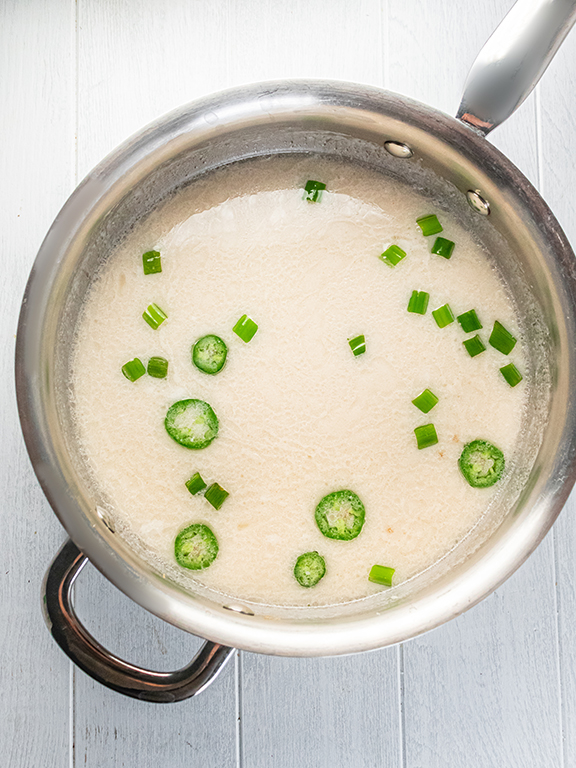
Heat coconut milk, stock, lime juice, fish sauce, salt, ginger, garlic, jalapeños, and green onion in a deep pan over medium heat. Once simmering, reduce heat to low and simmer for 5 minutes.
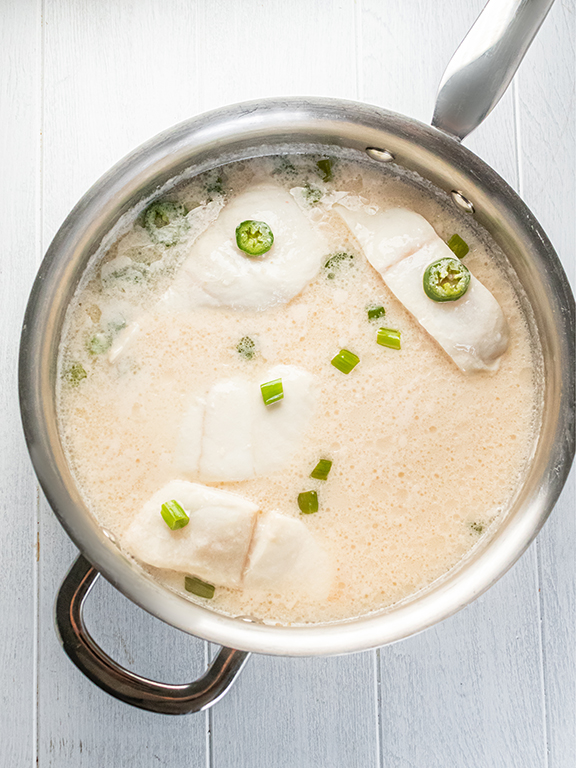
Add fish to pan and simmer for 7-9 minutes, until fish is cooked through.
Serve fish hot in poaching liquid with white rice and topped with cilantro.
Nutrition
Nutrition
- Serving Size
- 1 Serving
- per serving
- Calories
- 230
- Carbs
- 3 grams
- Fat
- 12 grams
- Protein
- 26 grams

Leave a comment